For decades, we talked about addiction as if it lived entirely between your ears — a matter of willpower, moral fiber, or just "bad choices." But the science has been telling a different story for years, and the latest chapter might be the most surprising yet: your gut bacteria may be actively shaping how addictive a substance feels to your brain.
That's not metaphor. That's microbiology. And if you've been following our deep dive into the gut microbiome and brain health, this will feel like the next logical piece of the puzzle.
The Science: A Gut Bacterium That Amplifies Addiction
Researchers at the University of Alabama at Birmingham, led by Angela Carter and Aurelio Galli, have uncovered a striking mechanism. A common gut bacterium called Fusobacterium nucleatum can amplify the addictive effects of amphetamines — not by acting on the drug itself, but by changing how your brain handles dopamine.
F. nucleatum produces butyrate, a short-chain fatty acid that inhibits enzymes called histone deacetylases (HDACs) — proteins that normally keep certain genes tightly wound and inactive. When butyrate blocks those enzymes, it effectively flips a genetic switch, increasing the production of dopamine transporter proteins on nerve cells.
Under normal conditions, these transporters reabsorb dopamine back into neurons after it is released. But amphetamines reverse that process, causing transporters to flood the space between neurons with dopamine instead. More transporters mean more dopamine flooding. More dopamine flooding means a more intense high — and a stronger drive to seek the drug again.
The research confirmed this was not a general gut effect. Other bacteria and other fatty acids like acetate and propionate produced no change. The amplification was specific to F. nucleatum and its butyrate pathway. Even more compelling: when researchers treated subjects with butyrate alone — no bacteria — it mimicked the effect, boosting dopamine transporter expression and behavioral responses to the drug.
Why This Matters for Recovery
This finding reshapes how we think about vulnerability to addiction. It is not just genetics. It is not just environment. It is also what is living in your gut — a microbial ecosystem that varies enormously from person to person based on diet, antibiotic history, stress, and dozens of other factors. As we explored in our earlier article on healing the addicted brain with neuronutrients, the biological foundations of addiction run deep — and now we know the gut is part of that picture.
The implications go beyond stimulants. Separate research showed that depleting the gut microbiome with antibiotics significantly increased the motivation to self-administer fentanyl in animal models. Meanwhile, a phase 1 clinical trial found that individuals with alcohol use disorder who received a fecal microbiota transplant enriched in beneficial bacteria (Lachnospiraceae and Ruminococcaceae) experienced a 90% reduction in alcohol cravings after just 15 days — compared to 30% in the placebo group.
A 90% reduction in cravings by changing gut bacteria. Not willpower. Not punishment. Not shame. Bacteria.
This is not about the drug being "too tempting." It is about biology creating conditions where some brains — some bodies — experience substances differently. This is what we mean when we say addiction is a disease, not a character flaw.
What This Means for You
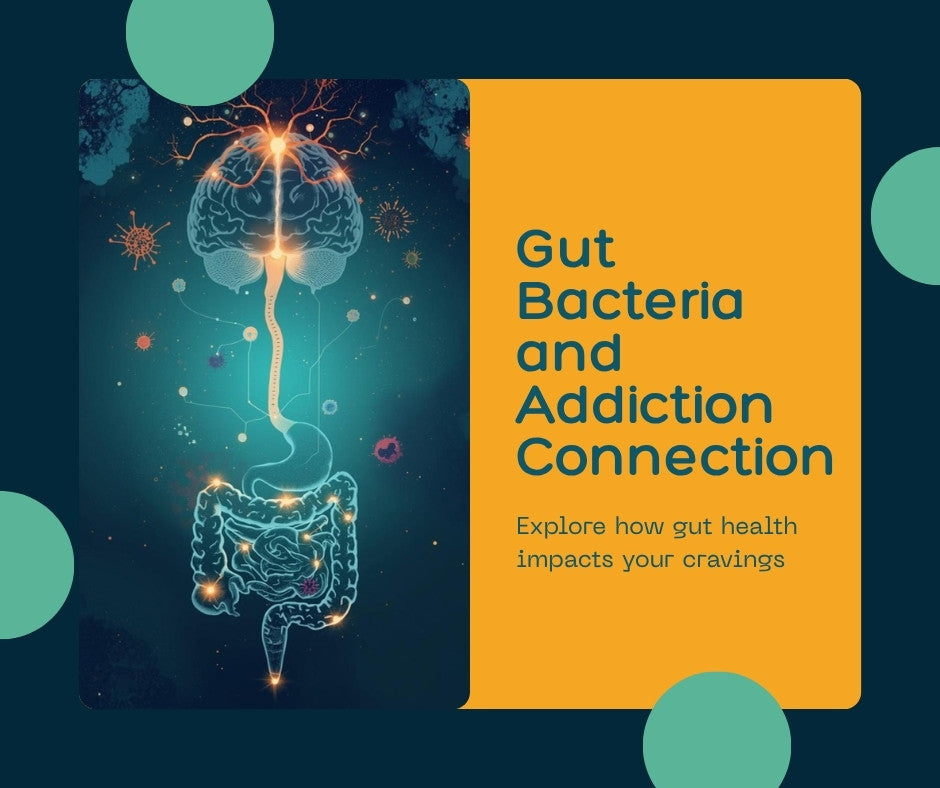
Your gut health is part of your recovery. The microbiome-gut-brain axis is real, measurable, and modifiable. Dietary changes that support beneficial gut bacteria — fermented foods, fiber-rich vegetables, reducing processed sugar — are neurochemically relevant to how your brain processes reward and craving. Research into probiotics and the gut-brain axis continues to reveal just how powerful these connections are across a range of neurological conditions.
Targeted probiotic support matters. If your gut microbiome is out of balance, a high-quality probiotic can help restore the beneficial bacteria that support healthy dopamine signaling. Our Probiotic 40 Billion with Prebiotics delivers 40 billion CFUs of clinically studied strains along with prebiotic fiber to help them thrive. For a broader approach that also supports digestion and nutrient absorption, our Digestive Enzyme & Probiotics Blend combines probiotic cultures with a full-spectrum enzyme complex.
Feed your gut the right fuel. Prebiotics — the fiber compounds that nourish beneficial bacteria — are just as important as probiotics themselves. Our Birch Chaga Truffles are naturally rich in inulin, a powerful prebiotic fiber that feeds the good bacteria in your gut while delivering the adaptogenic and antioxidant benefits of chaga mushroom. It is one of the simplest ways to support your microbiome daily.
A clean gut absorbs better. Antibiotic history, processed foods, and environmental toxins can leave the gut lining compromised and the microbiome depleted. Before rebuilding, sometimes you need to reset. Our Colon Gentle Cleanse supports the body's natural detoxification process with a gentle, non-irritating formula — helping clear the way for probiotics and nutrients to do their work.
Talk to your provider about the gut-brain connection. This science is moving fast. Ask about probiotic strategies, microbiome testing, and nutritional approaches that address gut health as part of a comprehensive recovery plan.
The Bottom Line
Addiction has never been about weakness. Every year, the science makes that clearer. Now we know that something as fundamental as the bacteria in your gut can turn up the volume on how addictive a substance feels — and that changing those bacteria can turn it back down.
Recovery is a whole-body process. Your brain needs support. Your gut needs support. And you deserve a treatment approach that honors the biology of what you are going through.
Hero image created with AI-assisted design tools.